
 Earlier this month, we did a blog on jewelry appraisals and the importance of understanding your jewelry’s value. One type of appraisal is used for insurance purposes to determine the replacement value or cost to replace the item with one of similar kind and quality at current retail prices. Having an up-to-date appraisal ensures your insurance coverage is adequate to cover the cost of replacement.
So what do you need to know about getting jewelry insurance? You can get jewelry insurance through your homeowners or renters insurance company or from stand alone jewelry insurers. Let’s review the details of both these options:
Homeowners or Renters Insurance:
- Jewelry is covered un the personal property section of your policy along with other items like clothing, furniture, etc.
- Events such as theft and fire are typically covered, but floods, earthquakes, manufacturer defects or accidents (like dropping your ring down a heat vent) are not typically covered.
- There is typically a cap on what will be paid out for stolen jewelry which may not cover the replacement cost of the item.
- You will have to pay your deductible before the insurance money pays.
- Filing a claim can lead to higher policy premiums.
- Homeowners or Renters Insurance is good option if you don’t have much jewelry or their value is less than the limit.
- If the included coverage isn’t enough, you might consider either Blanket Coverage or buying dedicated coverage for an item through your existing policies:
- Blanket coverage increases the limit on a type of valuable item and would be good if you have a collection of jewelry, but none are extremely valuable.
- Dedicated coverage or “scheduling” a piece of jewelry is good if you have one or more pieces that are worth more then your policy limit.
Stand Alone Jewelry Insurance:
- There are companies that specialize in jewelry insurance and offer more coverage than a homeowners or renters policy. You should check what coverage is included, but it may include preventative maintenance, flood and/or earthquake. Be sure to check for any events that are specifically excluded.
- With a stand alone policy you will not impact the cost of your homeowners or renters insurance.
- Stand alone policies are typically 1% or 2% of the item’s value per year.
Whatever your choice, having coverage in line with the value of your jewelry is important in the case of loss, damage, etc. Bridgewaters can help with appraisals of your jewelry. Stop by and see us!
 It has been a while since we talked about appraisals (see our blog on
  This past weekend, we launched our own “Bridgewater” line of jewelry. Featuring everything from rings to necklaces, bracelets to earrings, there is something for everyone! Staff and friends helped to design our first pieces which can be purchased “as is” or made into your own by changing the color of the stones, metal or even adding a little personal touch. Our in-house designers will help you make your most important moments extraordinary.
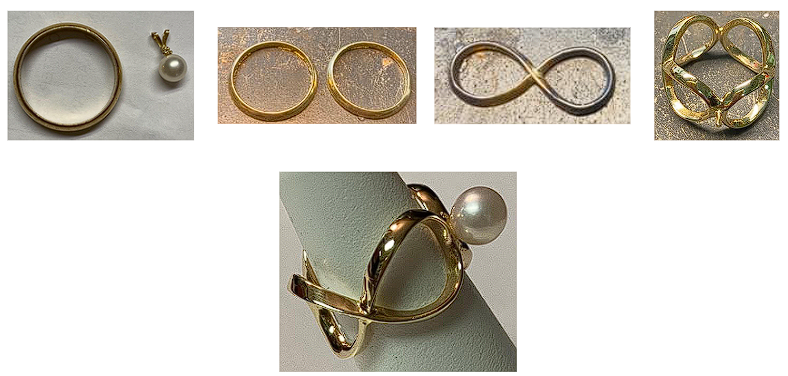 So many of us have jewelry just sitting in our jewelry boxes for a variety of reasons. Maybe they were gifted to us or handed down through family and they just don’t suit us. Rather than just letting them sit, wouldn’t it be great to have them redesigned into something that fits our style and that we will wear?
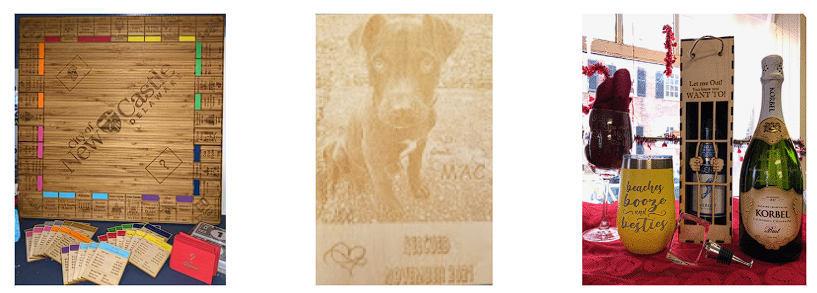 Humankind has been using engraving since the very earliest of times. The first evidence of engraving is a chiseled shell, dating back between 540,000 and 430,000 years. Engraving on bone and ivory and on rocks (called petroglyphs) are found from may pre-historic periods around the world. In the ancient world (3000 BC – 500 BC), engraved gems, small, semi-precious gemstones that has been carved, were a major luxury art form. Glass engraving appears in the first century AD and was popular until the fifth century. Decorations based on Greek mythology, hunting and circus scenes and images from the Old and New Testament were popular. In the Middle Ages, engraving was used to decorate and inscribe metalwork.
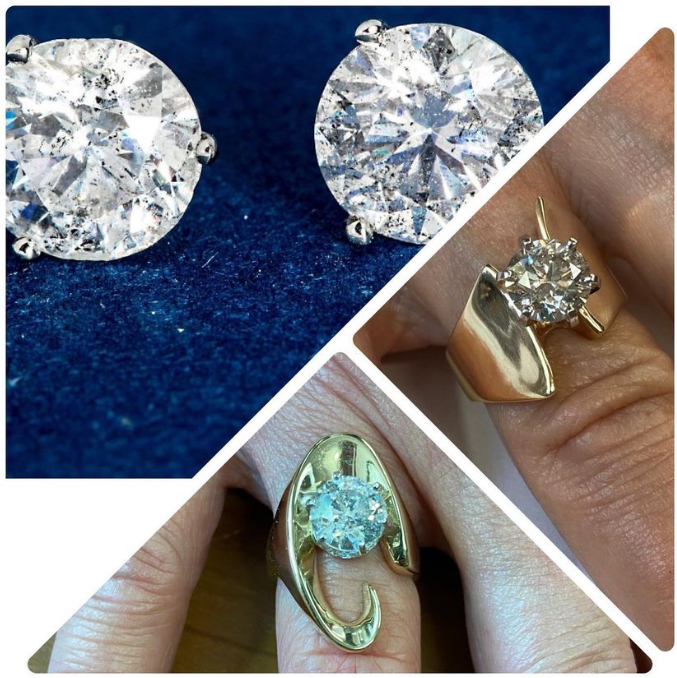 You may have recently seen a post on our Facebook page about the redesign of beautiful 4.11 ct diamond earrings into two gorgeous rings. One of our favorite things to do at
 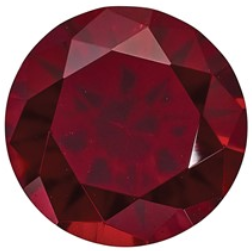 In our fourth installment of our five-part series on caring for gemstones, we will explore the care and cleaning of rubies, the July birthstone. Check out our birthstone of the month post from July 5 for more information on the stone itself.
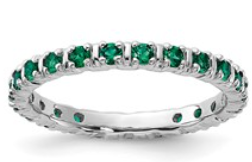 In our third installment of our five-part series on caring for gemstones, we will explore the care and cleaning of emeralds, the May birthstone. Check out our birthstone of the month post from May 5 for more information on the stone itself.
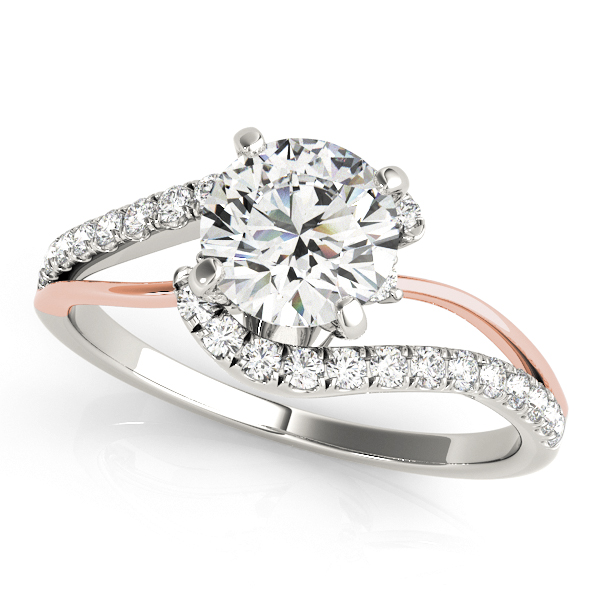 In our second installment of our five-part series on caring for gemstones, we will explore the care and cleaning of diamonds, the April birthstone. Check out our birthstone of the month post from April 5 for more information on the stone itself.
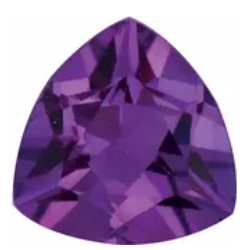 We are starting a five-part series on the care for the five main gemstones over the next several months. We’ll start with Amethyst, the February birthstone, which is a lilac to deep purple stone. Check out our birthstone of the month post from February 1 for more information on the stone itself.