
 Each generation has their own unique connection to diamonds. Let’s explore how generational values, lifestyle preferences, and purchasing priorities shape the way each group views, chooses, and cherishes these timeless gems.
Gen Z | 1997 to 2012
Gen Z seeks products that align with their values and are very conscious of the ethical and environment implications of product they choose. They prefer lab grown diamonds, which account for up to 60% of the diamonds they purchase. In addition to the ethical/environmental issues, they also seek lab grown for their affordability, allowing the purchase of larger size diamonds. They favor traditional settings (solitaires set in yellow gold) or experimental looks (geometric cuts, colored diamonds like blue or yellow). Fancy and unique shapes like oval, pear, emerald cuts are popular.
Millenials | 1981-1996
Millenials look to create personalized, unique and story-driven designs like 3-stone rings symbolizing past, present and future. They have been a big driver of the lab grown diamond demand, but do value natural diamonds, especially as part of the story-telling component. They like to express their individuality through elongated and unique shapes like oval, pear and Marquise cuts or alternative settings such as halo or vintage-inspired designs.
Generation X | 1965 – 1980
Gen X are still more in the natural diamond camp and view them as investments. They are in the position now to be those inheriting family treasures and so, both by purchase choice as well as inheritance, are likely to continue valuing natural diamonds for their perceived rarity, enduring value, and emotional significance. Gen X prefer classic, traditional designs that wear well every day. Quality craftsmanship is important to this generation. White gold and platinum are popular metals, fitting in well with their preference for timeless elegance.
Baby Boomers | 1946 – 1964
Baby Boomers have natural diamonds almost exclusively, either through inheritance or purchase. Classic diamond solitaires with simple bands fit their preference for subtle, understated classic or vintage designs.
Are you a fit with your generation based on the details above? Whatever your preferences, Bridgewaters can help you find just the right diamond!
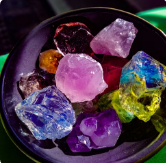 With the holidays approaching, it may feel daunting to find just the right gifts for all those on your list. If you are like us, there are at least three very diverse generations on your list. Check out the details below to get a high-level understanding of Millenials, Generation X and Baby Boomers and how they approach jewelry.
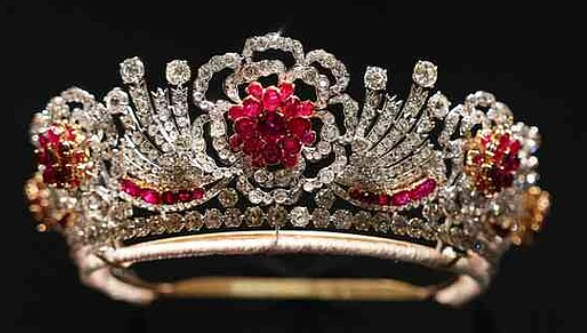 We haven’t shared about an iconic piece of jewelry in a while and what better than the story of the Burmese Ruby Tiara, commissioned by Queen Elizabeth II herself!
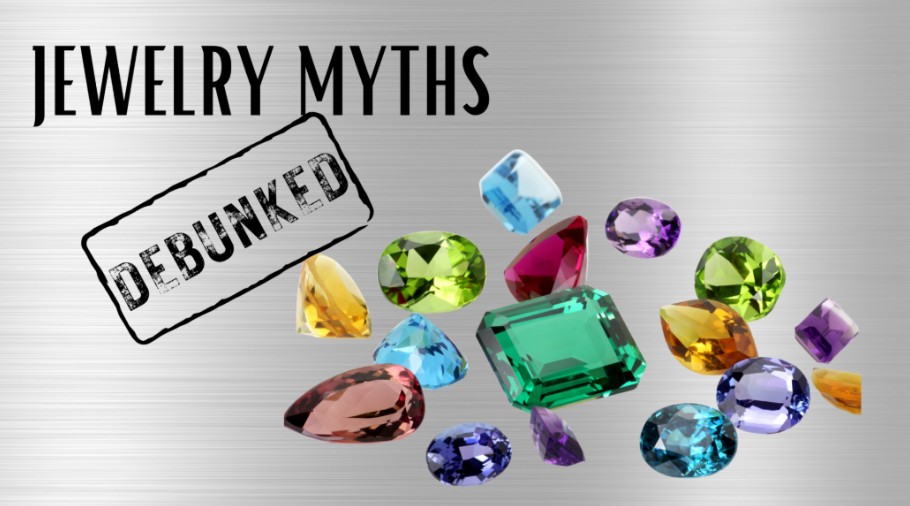 Myths about jewelry abound and may mislead you when you consider purchasing jewelry. Below are some common myths and their truth.
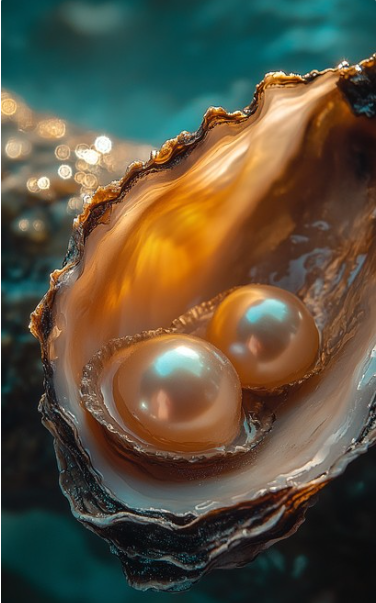 With summer upon us, we wanted to explore the bounty of jewelry items that come from the ocean. We’ll check out treasures grown in marine life and even diamonds!
 We’ve all seen the stunning beauty of the death mask of Tutankhamun, but what did ordinary Egyptians wear? Jewelry in ancient Egypt was worn by all social classes, genders and ages. It was both about fashion as well as a way for spiritual protection. Jewelry appears in the Egyptian archaeological record as early as 4500 BC, featuring beads made of shells and stones. Jewelry was part of everyday life as well as the afterlife.
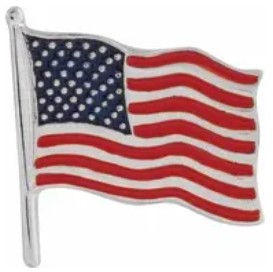 Men’s trends don’t tend to change quickly, but it is exciting when they do! Lapel pins are quickly becoming a way for men to express themselves, share interests or support for a cause without being too “out there”, sort of a step out of the box!
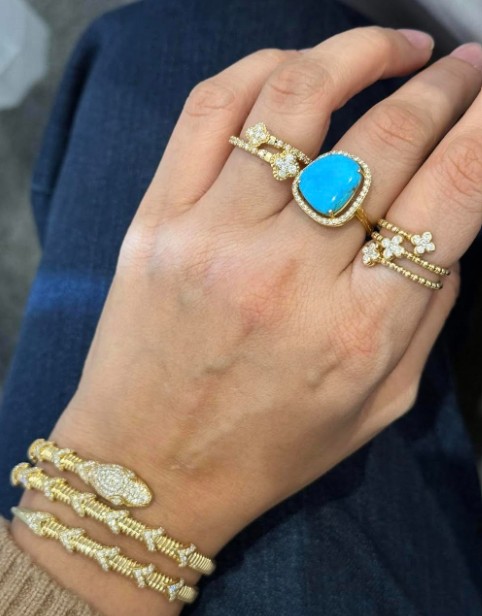 Looking stylish and polished is as easy as 1, 2, 3 if you follow the 2:1:1 Rule! What is this magic, you ask? The 2:1:1 Rule is a guide to help you create a balanced outfit by styling your jewelry thoughtfully.
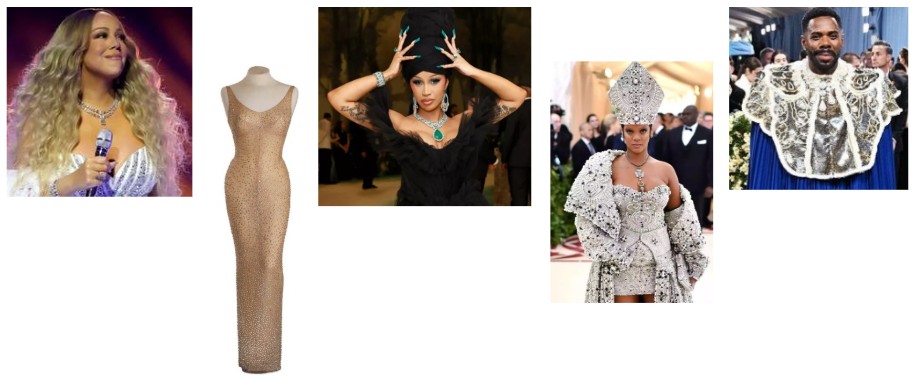 They say diamonds are a girl’s best friend and celebrities often share their love for these beautiful gems in their diamond-studded clothes and accessories worn everywhere from movies to concert stages to the Olympics.