 The weather here in Delaware is finally turning colder and the leaves are falling. It’s nearly Thanksgiving and everyone is rushing to get the last items on their grocery list for the big meal. So what is Thanksgiving really about?
It began as a day of giving thanks and sacrifice for the blessing of the harvest and the year that has past. In England during Henry VIII reign, there were reforms that reduced the number of Church holidays, replacing them with Days of Fasting or Days of Thanksgiving. Days of Fasting were for unexpected disasters like floods, plagues or drought while Days of Thanksgiving were for celebrating good things like military victories or the birth of royal children.
When the Pilgrims came to the United States in the 1600s, they brought with them the tradition of Days of Fasting and Days of Thanksgiving. Our modern Thanksgiving tradition has its roots in the 1621 celebration in Plymouth to celebrate a good harvest. The Pilgrims celebrated with the Wampanoags, a Native American tribe, who had helped them get through the previous winter.
As we prepare to spend time with our loved ones, what are you thankful for this year? Here at Bridgewaters, we are thankful for family and friends and especially for our customers. We thank you for continuing to allow us to serve you. Happy Thanksgiving!
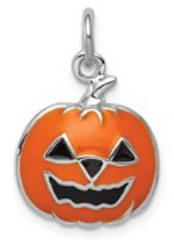 Better known to us as Halloween, All Hallows Eve dates back to the day of the Celtic festival of Samhain. The day marked the end of summer and the harvest and the beginning of the winter which was associated with death. They believed that the boundary between the worlds of the living and the dead became blurred on this day and the ghosts of the dead returned to earth. The Celts built large bonfires and wore costumes to ward off the ghosts.
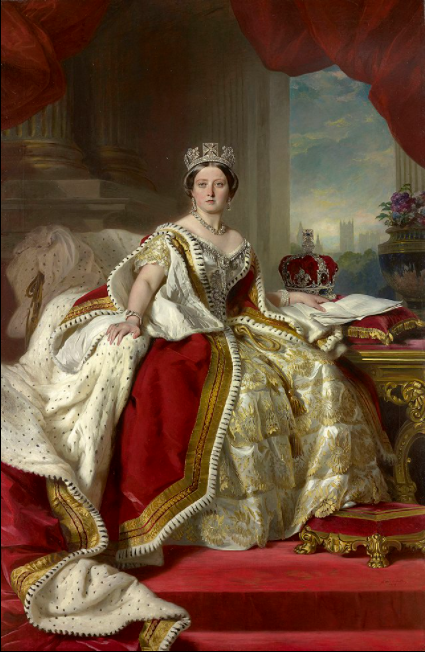 In a portrait of Queen Victoria from 1859, the use of jewels and jewelry communicated her authority and wealth. She wears a crown symbolizing the United Kingdom’s three states of Ireland, England and Scotland and next to her sits another crown featuring the Stuart Sapphire and Black Prince’s Ruby. While the crowns convey her authority and power, the 161-carat diamond in her necklace showcases her vast wealth.
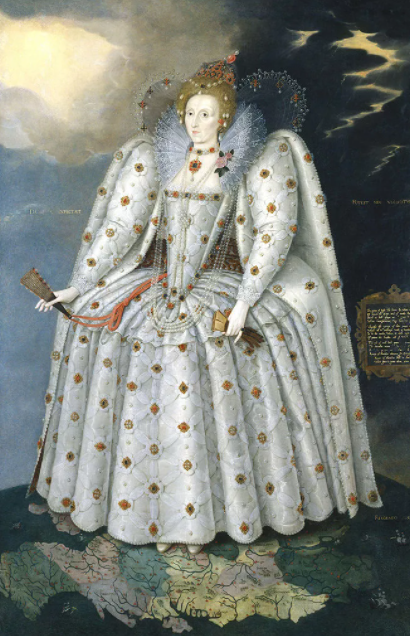 Queen Elizabeth I is often associated with pearls, which symbolize purity, godliness and the light of heaven. She strategically used pearls to convey her divine right as ruler and also to showcase her wealth as it was very difficult to acquire large quantities of pearls during her reign.
 July 4th is just around the corner and with the weather being beautiful and more people vaccinated, we’ll spend lots of time outside with family and friends. To get you ready for the holiday, here are some fun facts about Independence Day!